We clean up after ourselves.
Ecommerce deliveries have a carbon footprint. That's why we support verified projects that remove carbon from the air.


Every delivery’s carbon footprint is calculated based on weight, shipping method, and distance traveled. We neutralize these emissions by purchasing verified carbon removal credits from groundbreaking projects.


With your purchase, you’ll join a community of proactive merchants and customers dedicated to a sustainable future. Together, we've removed emissions for over 87 million deliveries and removed over 60 thousand tonnes of carbon.
We work with a network of pioneering carbon removal companies that have been vetted by the commerce platform Shopify.


Passion For Plantation
200Pcs Black-Eyed Susan (Rudbeckia hirta) Seeds
200Pcs Black-Eyed Susan (Rudbeckia hirta) Seeds
Couldn't load pickup availability
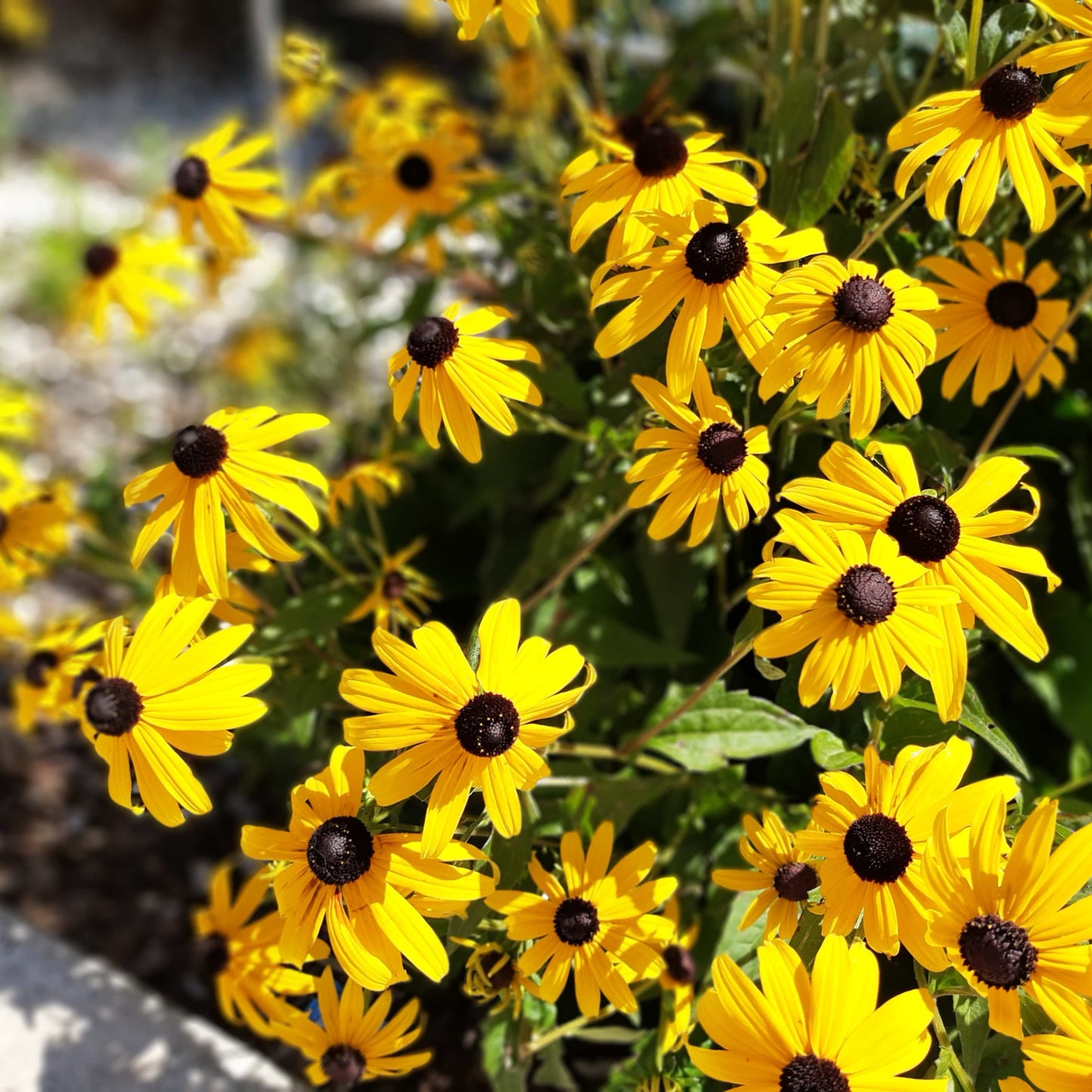
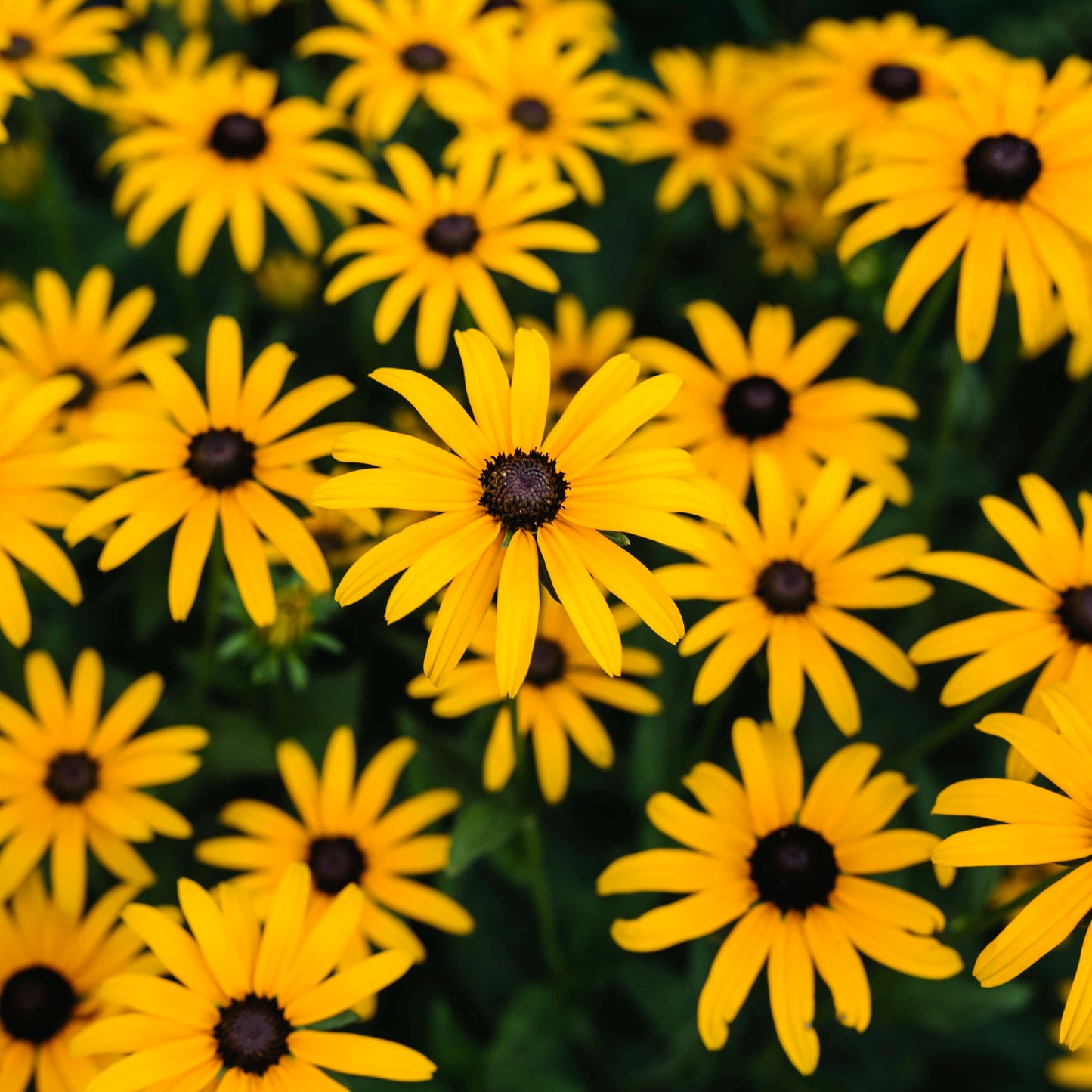
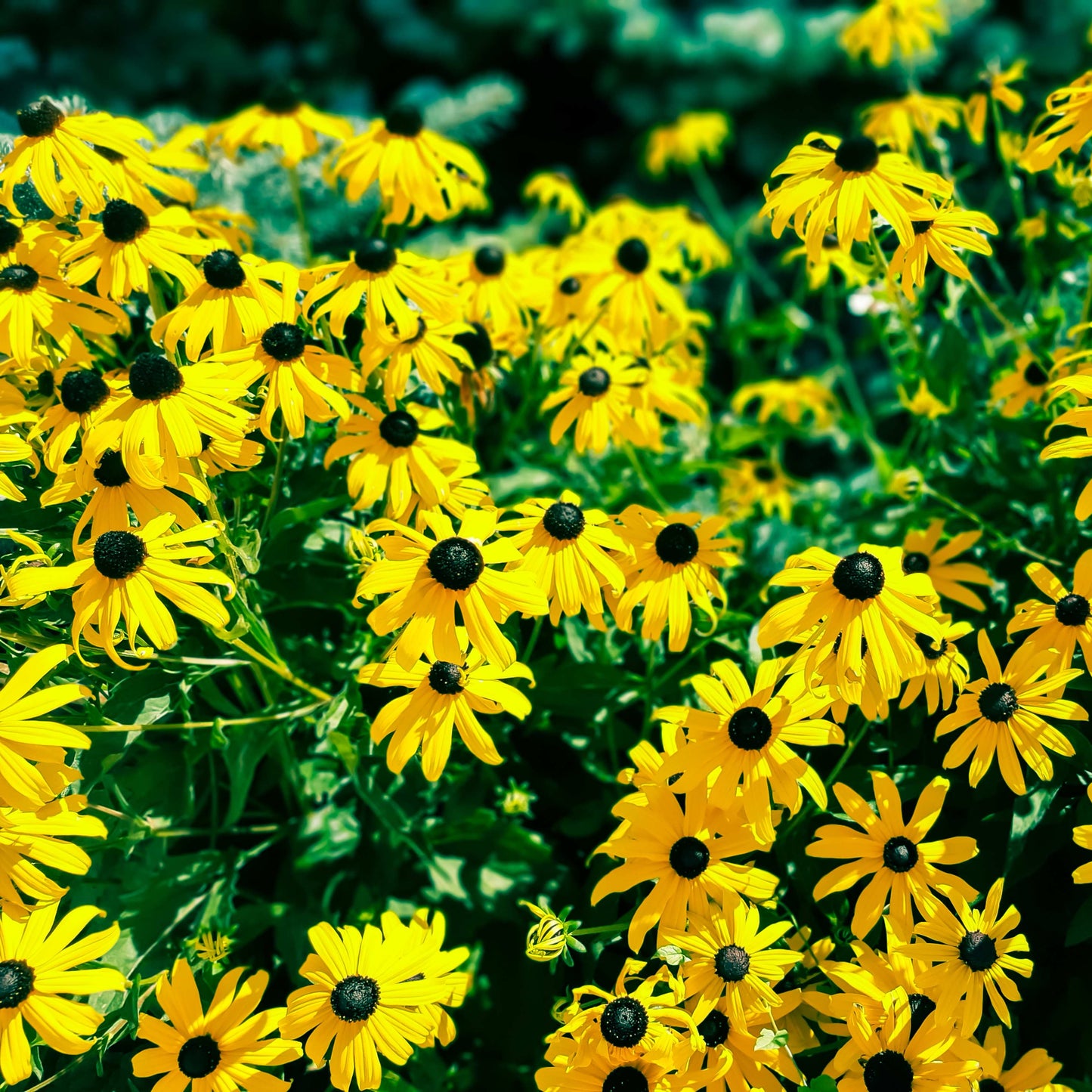
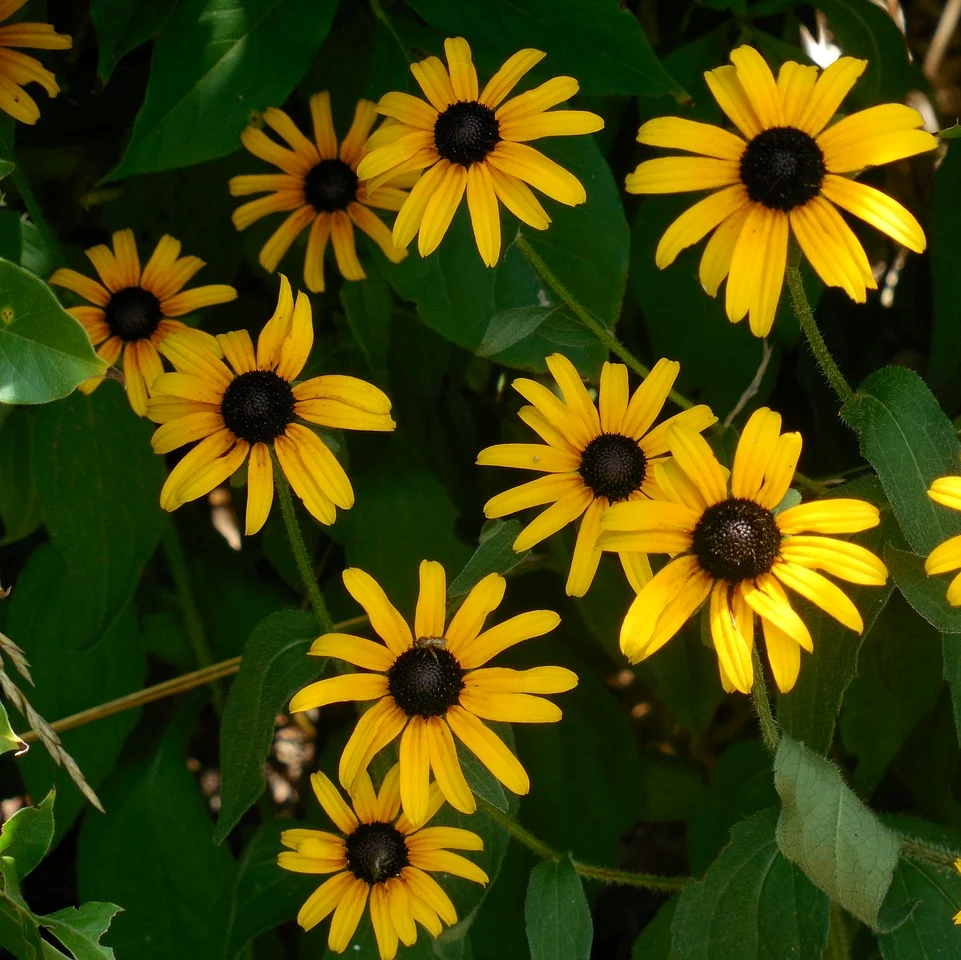
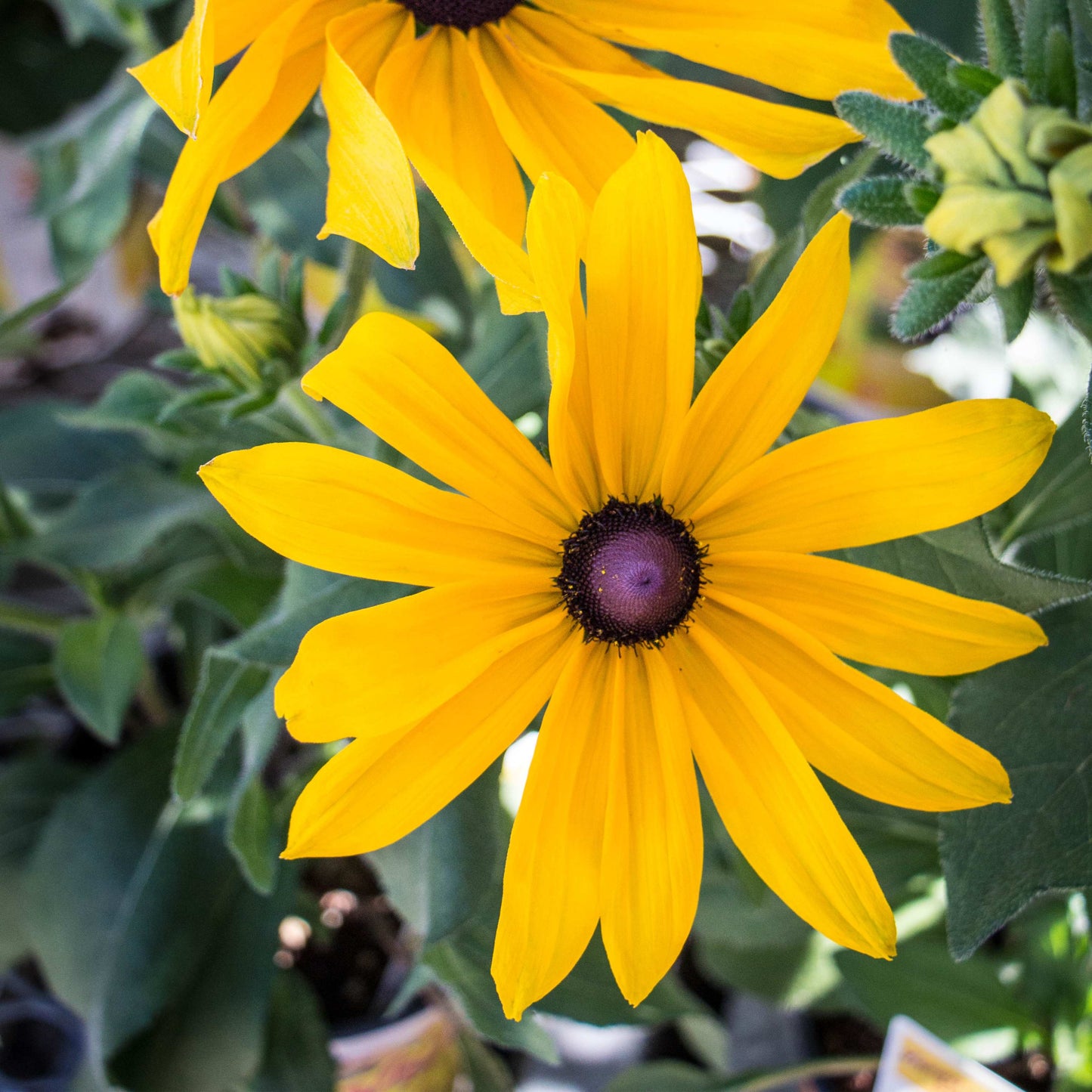
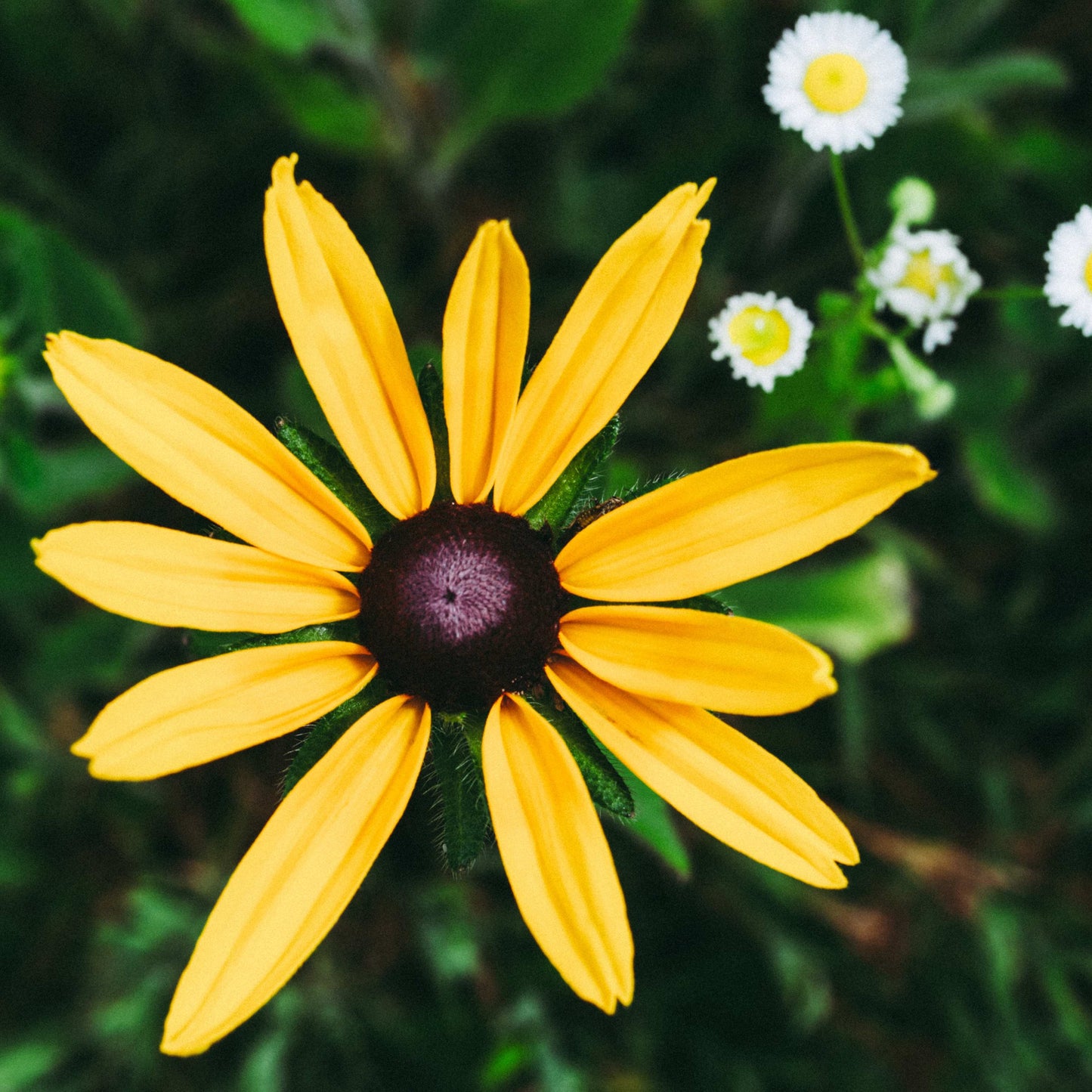
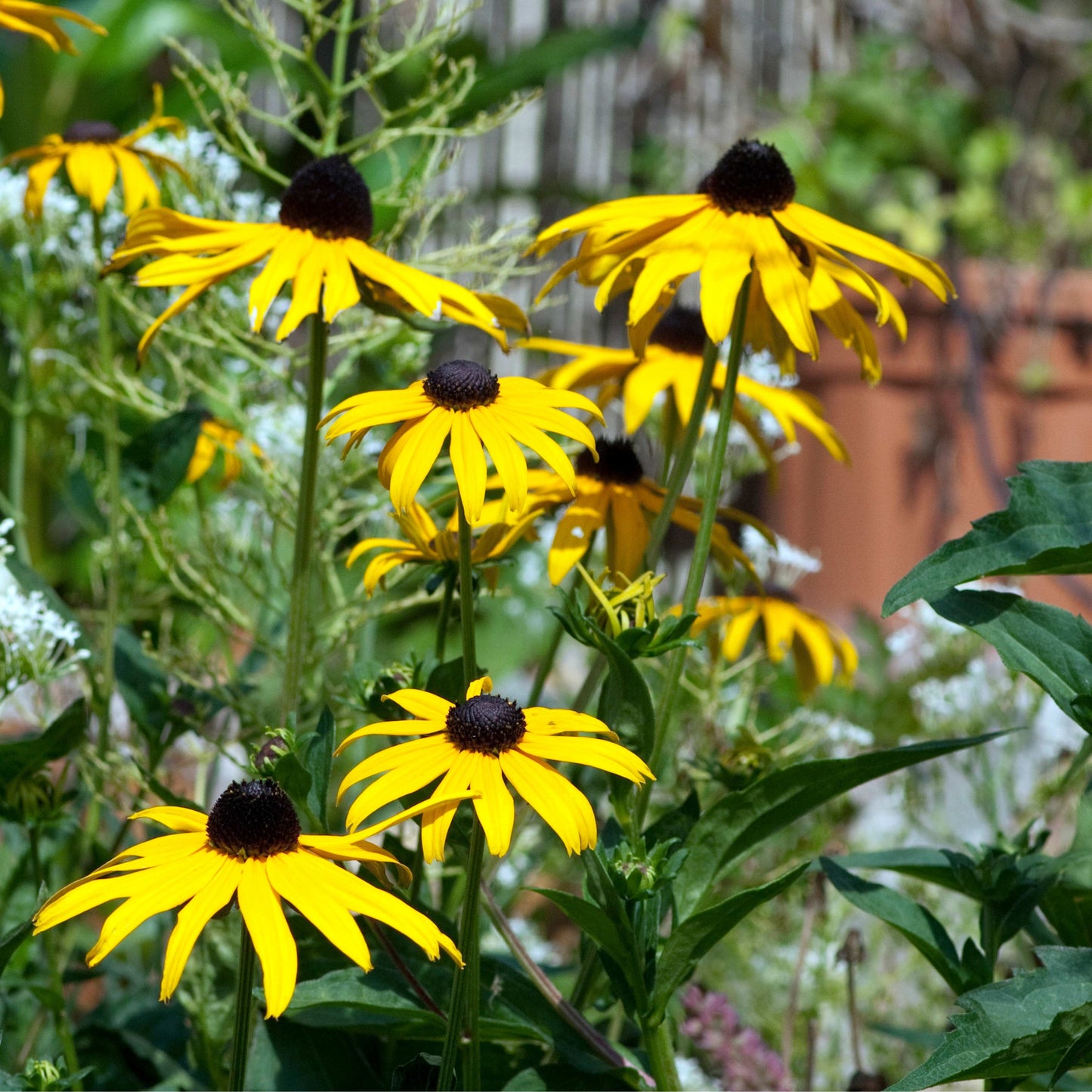
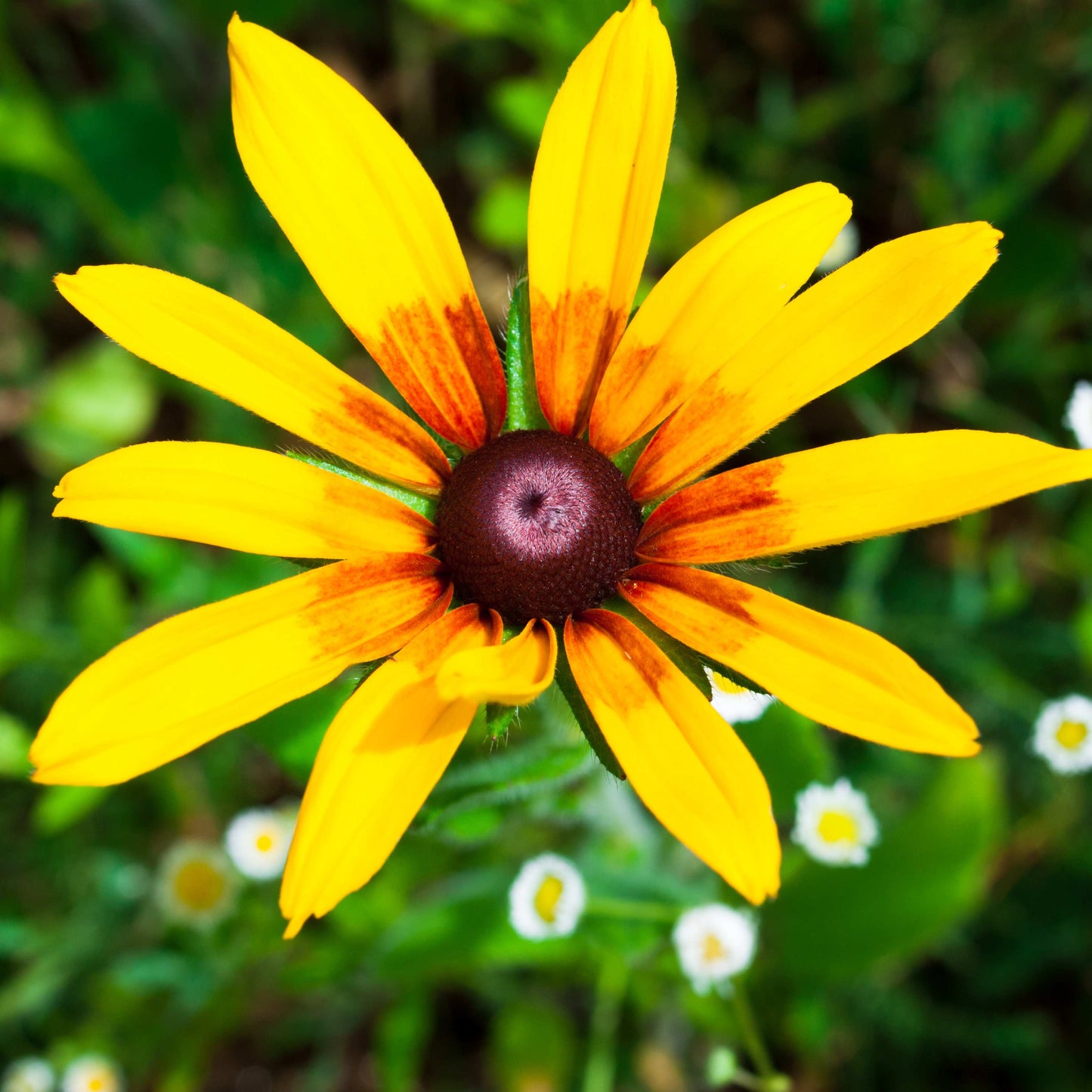
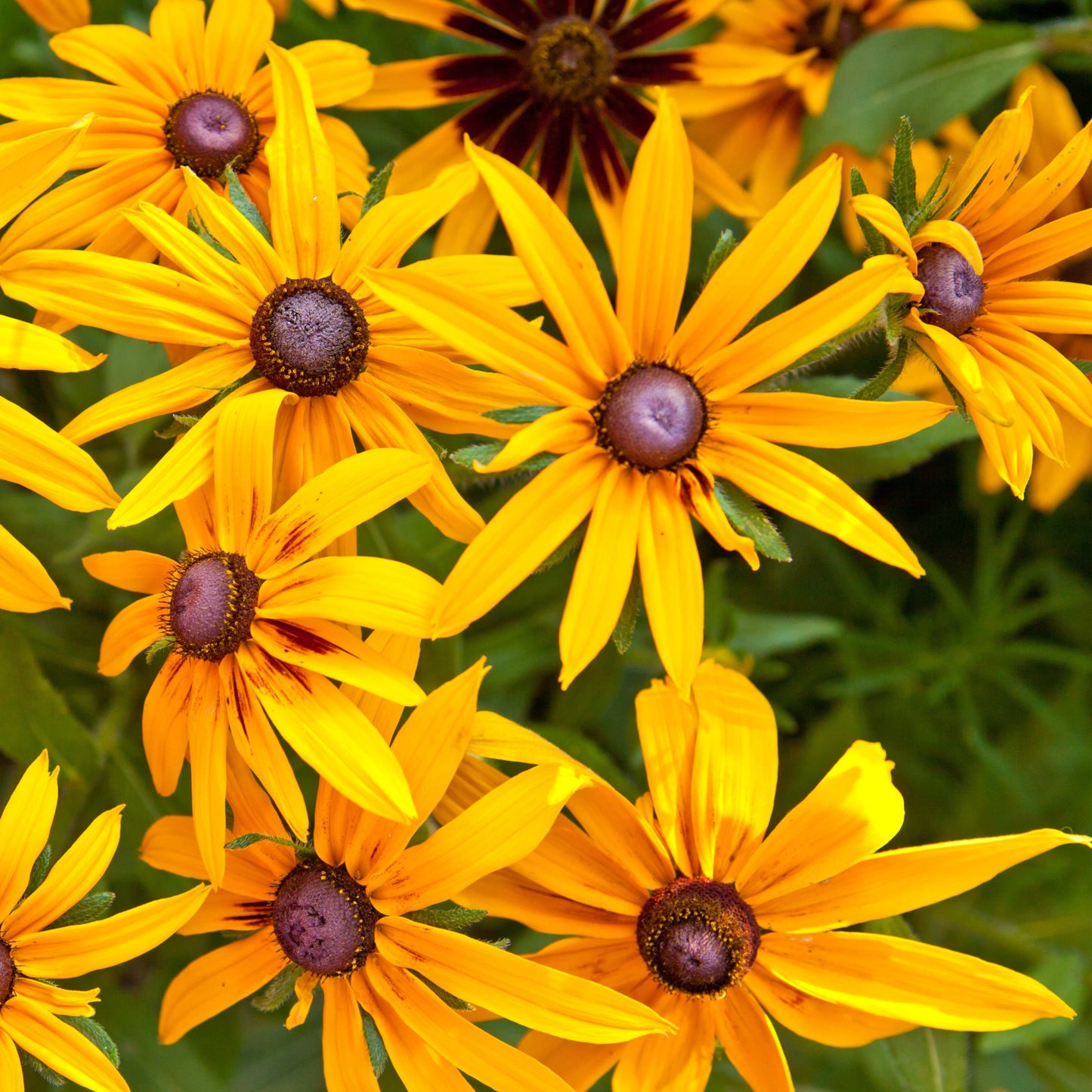
Brighten your garden with the cheerful and resilient Black-Eyed Susan (Rudbeckia hirta) Seeds. Known for their vibrant yellow petals and dark, central cones, these perennial wildflowers are a favorite among gardeners for their hardiness and stunning display. Ideal for garden beds, borders, and wildflower meadows, Black-Eyed Susans are easy to grow and attract a variety of pollinators, making them a beautiful and beneficial addition to any landscape.
Features
-
Vibrant Blooms: Black-Eyed Susans are known for their striking yellow-orange petals surrounding a dark brown, almost black center.
-
Long Blooming Period: Enjoy a long flowering season from summer to fall, providing continuous color and beauty in your garden.
-
Pollinator Attraction: The bright flowers attract bees, butterflies, and other beneficial pollinators, enhancing your garden's ecosystem.
-
Drought Tolerant: Once established, Black-Eyed Susans are drought-tolerant and thrive in various soil conditions, making them a low-maintenance choice.
-
Hardy Perennial: These robust plants are perennials in many regions, providing years of vibrant blooms with minimal care.
Benefits
-
Aesthetic Appeal: Enhance your garden with the classic and cheerful look of Black-Eyed Susan flowers, perfect for brightening any space.
-
Easy to Grow: Ideal for both beginner and experienced gardeners, Black-Eyed Susans are known for their ease of cultivation and low maintenance.
-
Wildlife Friendly: Support local wildlife by providing nectar for pollinators and seeds for birds with these attractive and beneficial flowers.
-
Versatile Planting: Suitable for a variety of garden settings, including flower beds, borders, wildflower meadows, and container gardens.
Planting Instructions
-
Timing: Sow Black-Eyed Susan seeds directly outdoors in spring after the last frost or start indoors 6-8 weeks before the last frost date.
-
Soil Preparation: Choose well-draining soil with moderate fertility. Black-Eyed Susans are adaptable to various soil types but prefer slightly acidic to neutral pH.
-
Sowing Depth: Scatter seeds on the soil surface and lightly press them in, as they require light to germinate. Do not cover the seeds deeply.
-
Sunlight: Plant in a location that receives full sun, at least 6-8 hours of direct sunlight daily, for optimal growth and flowering.
-
Watering: Keep the soil consistently moist until germination. Once established, water only during prolonged dry periods.
Growing and Care
-
Spacing: Space plants 12-18 inches apart to allow for proper air circulation and growth.
-
Fertilization: Black-Eyed Susans do not require heavy fertilization. Apply a balanced, slow-release fertilizer in spring if needed.
-
Pruning: Deadhead spent flowers to encourage continuous blooming and prevent self-seeding if desired. Cut back the plants in late fall after the first frost.
-
Pest and Disease Management: Black-Eyed Susans are generally pest and disease-resistant but monitor for common issues like powdery mildew. Ensure good air circulation and avoid overhead watering to prevent fungal problems.
Harvesting and Usage
-
Cut Flowers: Black-Eyed Susans make excellent cut flowers for fresh arrangements, adding a bright and cheerful touch to indoor spaces.
-
Wildlife Habitat: Allow some flowers to go to seed to provide food for birds and self-seed for naturalizing in meadows and wildflower gardens.
-
Dried Flowers: Dry the flowers for use in dried arrangements and crafts, preserving their vibrant color and unique shape.