
We clean up after ourselves.
Ecommerce deliveries have a carbon footprint. That's why we support verified projects that remove carbon from the air.


Every delivery’s carbon footprint is calculated based on weight, shipping method, and distance traveled. We neutralize these emissions by purchasing verified carbon removal credits from groundbreaking projects.


With your purchase, you’ll join a community of proactive merchants and customers dedicated to a sustainable future. Together, we've removed emissions for over 89 million deliveries and removed over 61 thousand tonnes of carbon.
We work with a network of pioneering carbon removal companies that have been vetted by the commerce platform Shopify.


Passion For Plantation
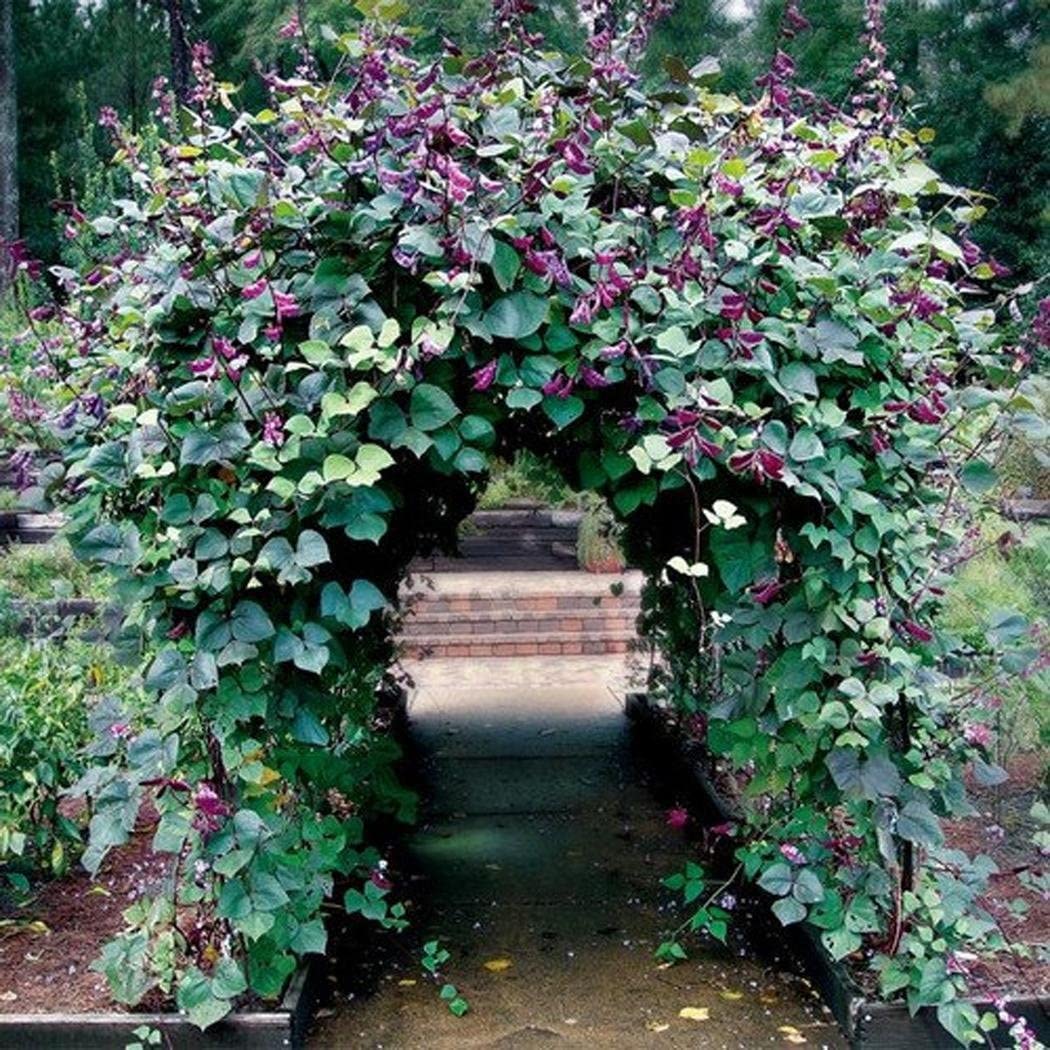
100Pcs Hyacinth Bean Red Vine Seeds
100Pcs Hyacinth Bean Red Vine Seeds
Couldn't load pickup availability
These easy-to-grow plants will give you the most beautiful, fragrant, delicious green beans you've ever seen! The leaves are so large they could easily cover your entire garden!
Hyacinth Bean (Dolichos Lablab Redleaved) - For a gorgeous vine and foliage, start Hyacinth Bean seeds. Hyacinth Bean Vine is especially lovely with deep red leaves. Red Leaved Hyacinth Bean is a fast-growing, climbing vine, producing dark crimson red foliage and deep purple flowers. Lablab seeds produce a quick screen on a trellis or fence. Its flowers are beautiful and fragrant which and attract butterflies and hummingbirds, and it even produces edible leaves, flowers, pods, seeds and roots. Dry Lablab seeds are poisonous due to high concentrations of cyanogenic glucosides, and can only be eaten after prolonged boiling. Chinese and Indian herbalists use Hyacinth Bean Vine as a medicinal herb.
- Season: Perennial
- USDA Zones: 9 - 11
- Height: 96 inches
- Bloom Season: Mid summer to fall
- Bloom Color: Purple
- Environment: Full sun
Planting Instructions
- When to sow: Sow in spring or at the start of your warm season, or start indoors 6–8 weeks before your last frost and transplant once seedlings are sturdy. Tropical varieties prefer soil that is already warm.
- How to sow: Use a fine, well-drained seed-raising mix. As a rule, cover seed with about twice its own depth of mix — very fine seed should be surface-sown and pressed in gently without covering.
- Moisture: Water in gently and keep the mix evenly moist until seedlings are established — never let fresh sowings dry out, and never leave them waterlogged.
- Light & warmth: Give the tray or bed bright light (gentle morning sun is ideal) and steady warmth of about 18–24°C.
- After germination: Thin or pot on seedlings once they have their first true leaves, and harden them off gradually before planting out.
Germination Guide
- Expected germination time: 7 to 14 days.
- Best conditions: Soak seeds in water overnight before sowing to speed things up. Sow 2–3cm deep in warm soil (20°C+) — these are heat lovers.
- Golden rules: keep the sowing mix consistently moist but not soggy, hold steady warmth, and do not discard the pot just because a few seeds are slow — germination is rarely perfectly even.
